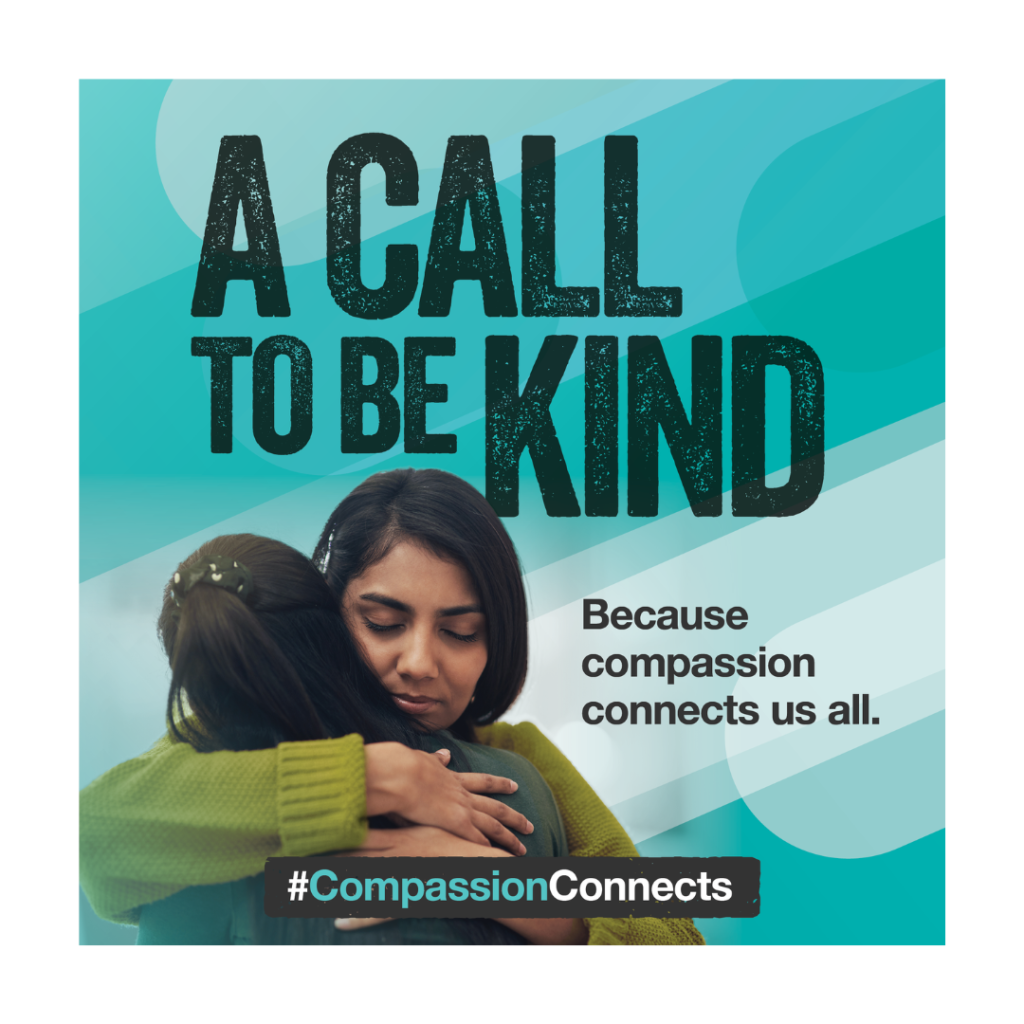

Mental Health weekMay 7-13, 2012
People with mental disorders often suffer in another way: they live with the fear that others may judge them and treat them negatively. Some have trouble finding a place to live, or a job, or difficulty in maintaining relationships. In fact, most people living with a mental disorder say the stigma is worse than the symptoms.
"Stigma" originally meant a physical mark of shame. Now, it's an invisible mark that sets certain people apart from others. And it's a particular problem with mental illnesses because these conditions are often poorly understood.
So it's time to talk about stigma for what it really is: prejudice and discrimination. When people with mental disorders are judged unfairly or unkindly by others – that's prejudice. When they are denied basic rights to which they are entitled – that's discrimination.
Some sources of prejudice and discrimination
Fear: Some people – unjustifiably – fear that those with mental disorders are likely to be violent. Some people simply fear the condition itself because it affects a person's behaviour. These fears may be reinforced by the media.
Misconceptions: There is a widespread belief that people cannot recover from mental illness or participate in their communities. Most do.
Blame and self-blame: People with mental disorders are sometimes blamed for their condition or viewed as weak. They, or their loved ones, may also blame themselves. In many cultures, the entire family carries their loved one's stigma.
How bad is it?
A recent Canadian research study found that almost half of the people surveyed considered a mental disorder was just an excuse for poor behaviour. Research has also shown that more than 50% of people living with mental illness felt they had been discriminated against.
Everyone has the right to live without discrimination, including people with mental health problems. All of us in our society, from individuals to the media, can play a part in ensuring that they do.
1If you have experienced a mental health problem, tell your story to someone who doesn't know about it; or help others tell their story.
2Think about the words you use. Avoid language that stigmatizes, like referring to someone as "a schizophrenic" or "a depressive."
3Think about how you are personally supporting and treating people around you who are living with a mental health problem.
4Speak up when you see discrimination or when you see a law or policy that unfairly excludes people.
5Get actively involved by volunteering for a mental health organization.
Feel free to contact your
local CMHA branch